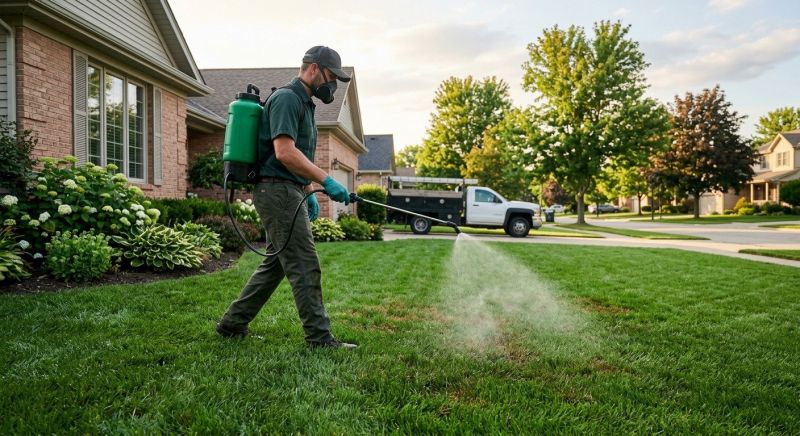
Lawn Fungus Treatment in Ventura County, CA
Lawn fungus treatment services focus on diagnosing and eliminating fungal infections that can affect the health and appearance of a lawn. These treatments are suitable for a variety of fungal issues, including brown patches, dollar spots, and rust, which commonly develop due to moisture, poor drainage, or overwatering. Property owners typically seek these services to restore a lush, healthy green appearance to their lawns and to prevent further damage caused by unchecked fungal growth.
Before requesting lawn fungus treatment, property owners usually want to understand the extent of the infection, the type of fungus involved, and the best approach for treatment. It’s important to consider the current condition of the lawn, recent weather patterns, and any ongoing watering or fertilization practices that may influence fungal development. Clear communication about these factors can help ensure effective treatment and promote a healthier, more resilient lawn.
Many property owners in Ventura County, CA look into Lawn Fungus Treatment for repairs, replacements, upgrades, and appearance-related improvements.
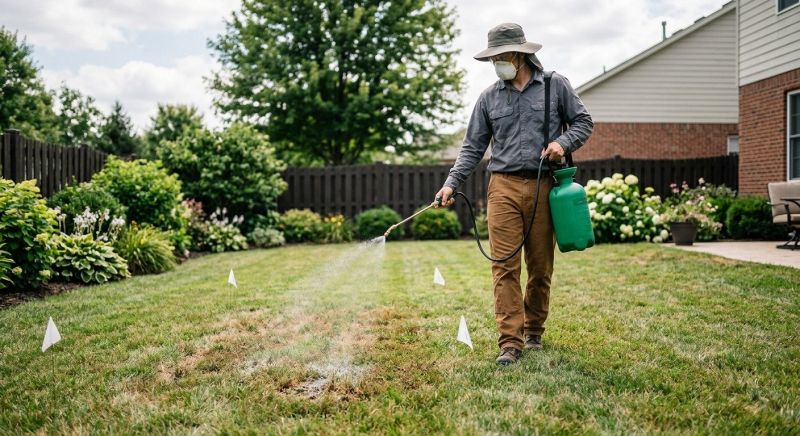
Signs Of Lawn Fungus
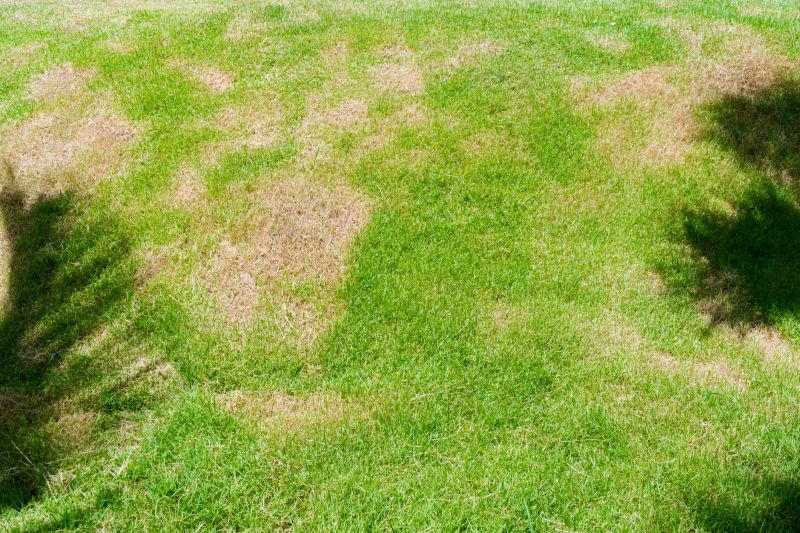
Common indicators include discolored patches, wilting grass, and fuzzy growth on the turf.
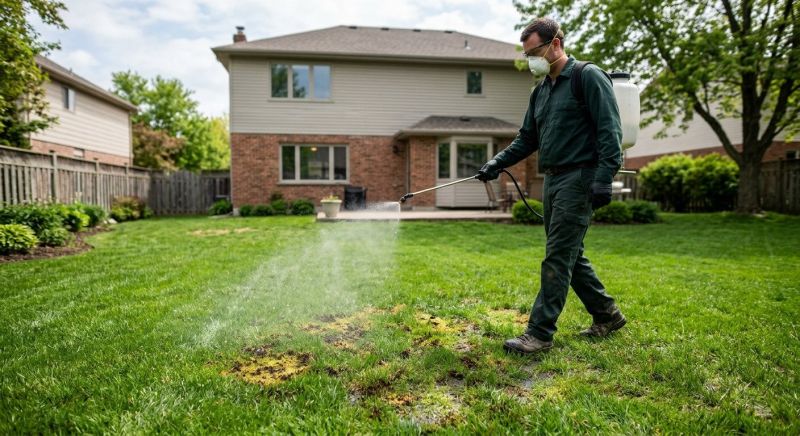
Prevention Tips
Proper watering, mowing, and aeration can help reduce the risk of fungal infections in your lawn.
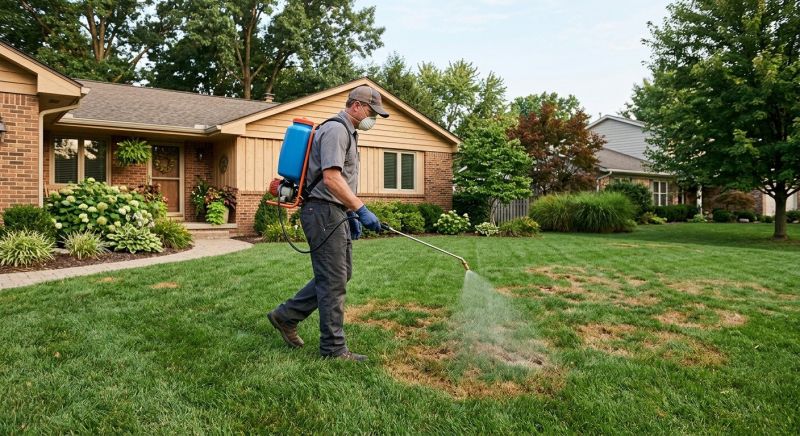
Treatment Methods
Effective fungicide applications and lawn care adjustments can restore health to affected areas in ventura county yards.
Lawn Fungus Treatment in Ventura County, CA

Lawn fungus treatment services focus on diagnosing and eliminating fungal infections that can affect the health and appearance of a lawn. These treatments are suitable for a variety of fungal issues, including brown patches, dollar spots, and rust, which commonly develop due to moisture, poor drainage, or overwatering. Property owners typically seek these services to restore a lush, healthy green appearance to their lawns and to prevent further damage caused by unchecked fungal growth.
Before requesting lawn fungus treatment, property owners usually want to understand the extent of the infection, the type of fungus involved, and the best approach for treatment. It’s important to consider the current condition of the lawn, recent weather patterns, and any ongoing watering or fertilization practices that may influence fungal development. Clear communication about these factors can help ensure effective treatment and promote a healthier, more resilient lawn.
Many property owners in Ventura County, CA look into Lawn Fungus Treatment for repairs, replacements, upgrades, and appearance-related improvements.
Common Lawn Fungus Treatment Jobs
Lawn Fungus Treatment - Targeted solutions to eliminate common turf diseases and restore healthy grass.
Fungal Disease Management - Identification and treatment of fungal infections that cause discoloration and patchiness.
Preventative Lawn Care - Treatments designed to stop fungus growth before it affects the entire lawn.
Grass Health Restoration - Techniques to promote strong root systems and vibrant, lush turf.
Infection Monitoring - Regular assessments to detect early signs of fungal issues and prevent spread.
Custom Lawn Solutions - Tailored treatments based on specific grass types and local climate conditions.
Lawn Fungus Treatment Questions
What causes lawn fungus? Lawn fungus often develops due to excess moisture, poor drainage, or compacted soil, creating ideal conditions for fungal growth.
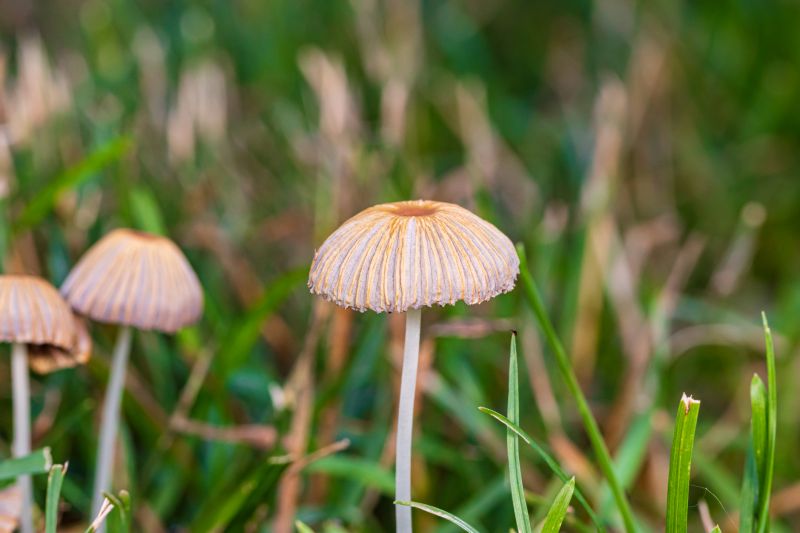
How can I tell if my lawn has a fungus? Signs include discolored patches, thinning grass, or fuzzy white, gray, or black growth on the turf.
Is lawn fungus treatment necessary? Yes, treating fungal issues promptly helps prevent further damage and promotes healthy grass recovery.
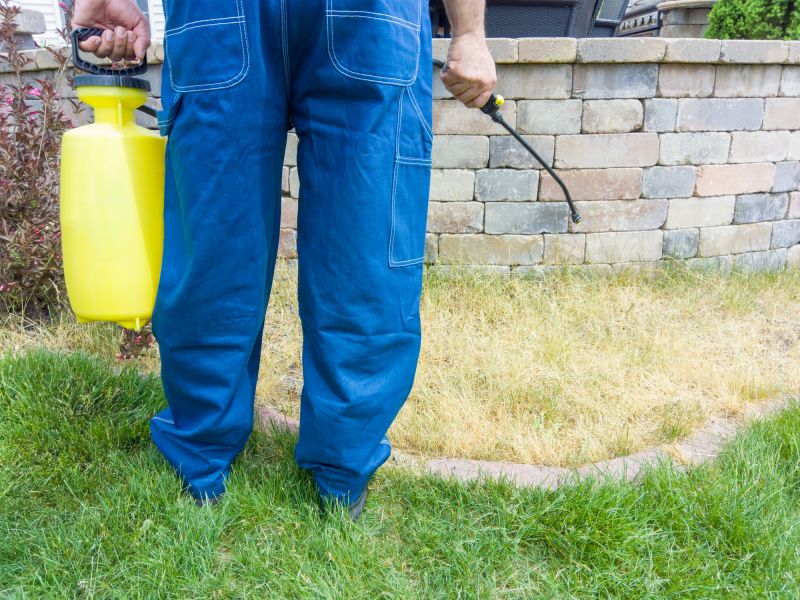
What steps are involved in lawn fungus treatment? The process typically includes identifying the fungus, applying targeted fungicides, and improving lawn conditions to prevent recurrence.
Request Lawn Fungus Treatment in Ventura County, CA
Use the quote form on this page to share the basics of your project and request more information for the type of work you need.