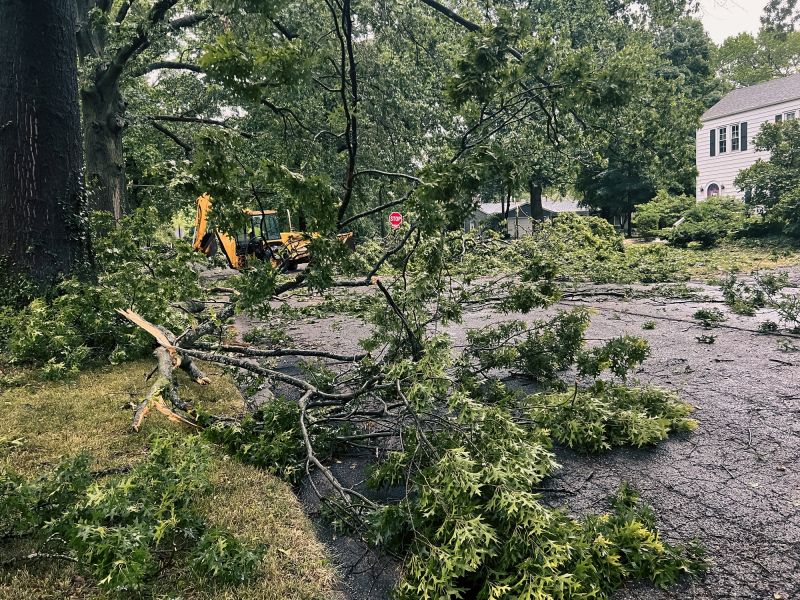
Tree Branch Disposal in Honolulu, HI
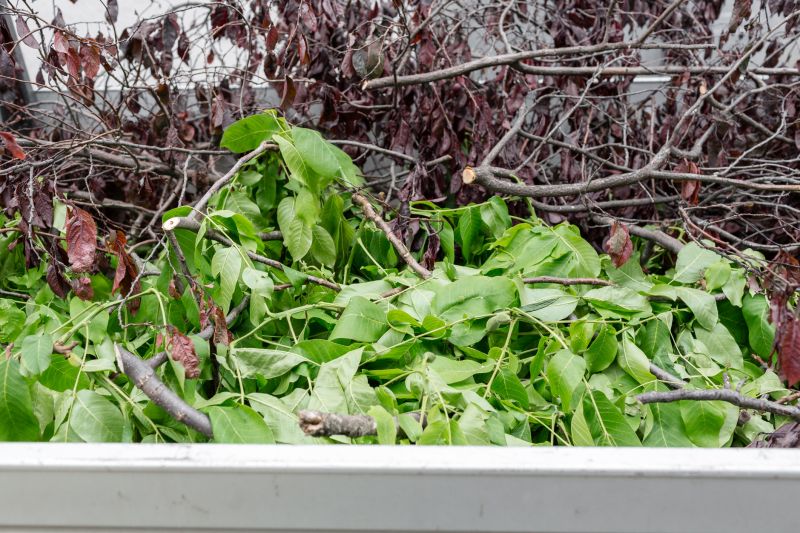
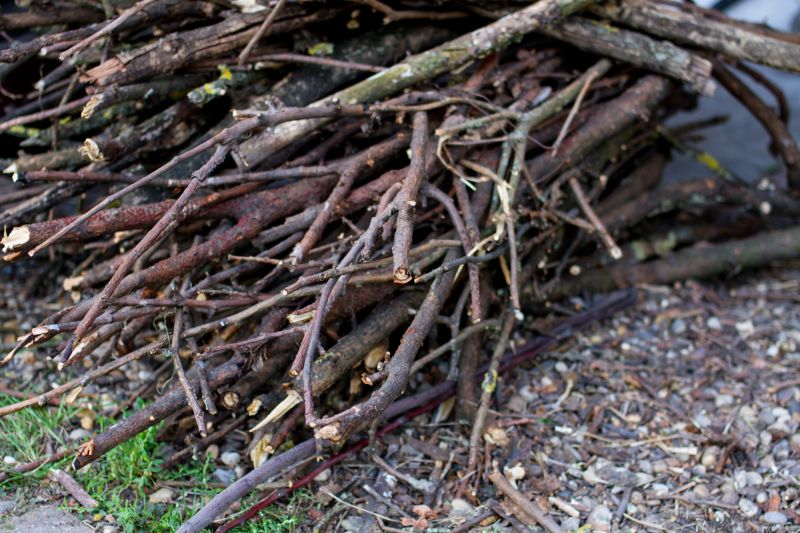
Tree branch disposal services involve removing and properly disposing of excess or fallen branches from residential properties. This service is commonly requested after storm damage, pruning projects, or when overgrown trees create safety concerns or obstruct views. Property owners should consider the size and quantity of branches needing removal, as well as the location on the property, to determine the scope of the project. Understanding whether branches will be chipped, hauled away, or left for mulching can help in planning the disposal process effectively.
Homeowners typically want to know if the service includes cleanup and debris removal, as well as any restrictions on branch size or type. It is also helpful to clarify if the disposal process involves recycling or composting the branches. Knowing these details can ensure the project meets expectations and fits within property maintenance plans. Proper disposal of tree branches helps maintain a tidy landscape and reduces safety hazards caused by fallen or overhanging limbs.
Many property owners in Honolulu, HI look into Tree Branch Disposal for repairs, replacements, upgrades, and appearance-related improvements.
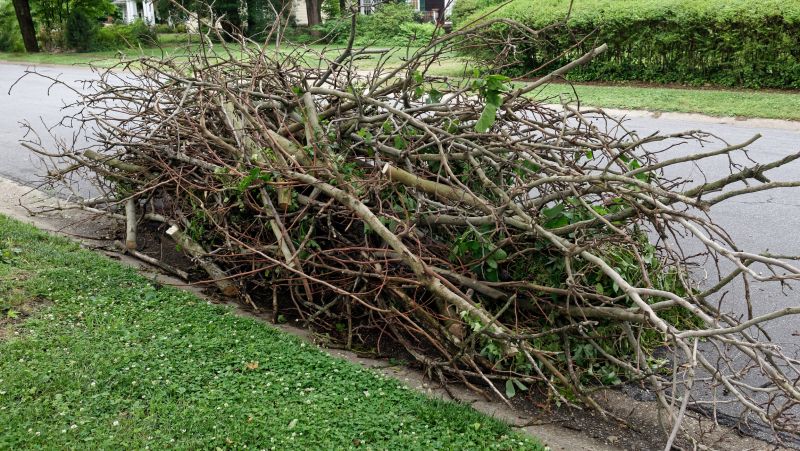
Tree Branch Removal
Removing fallen or overhanging branches to maintain safety and appearance.
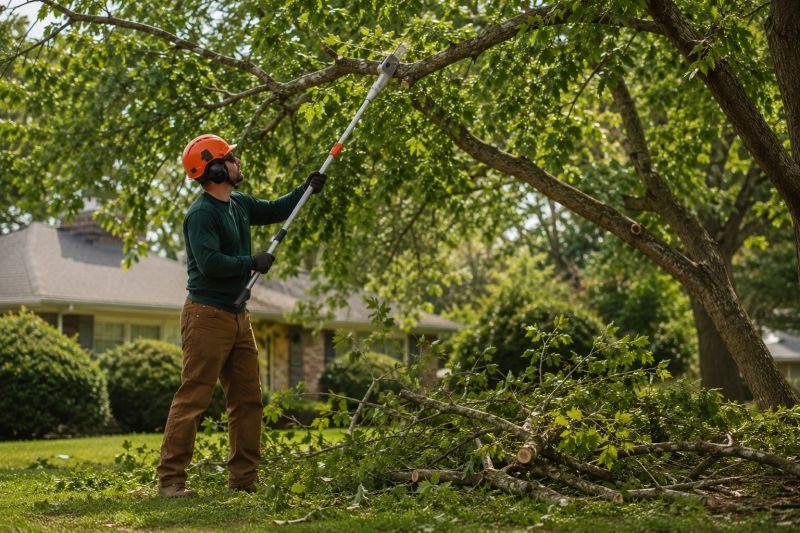
Storm Damage Cleanup
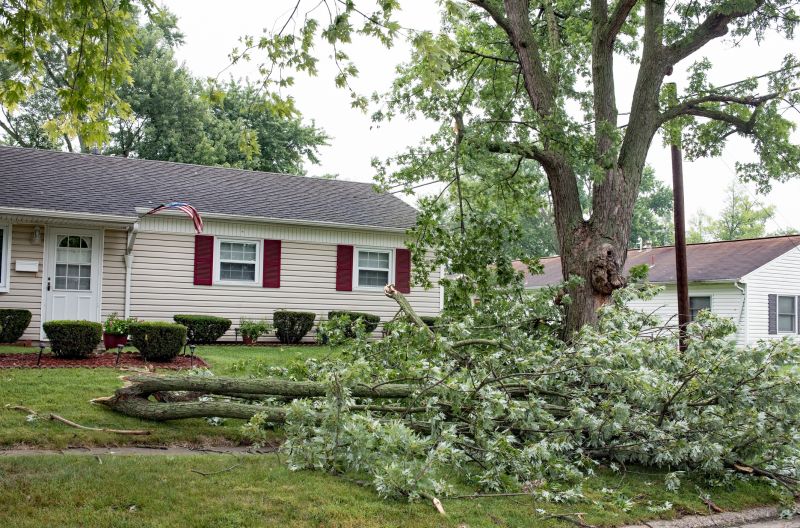
Clearing broken branches after storms to prevent property damage.
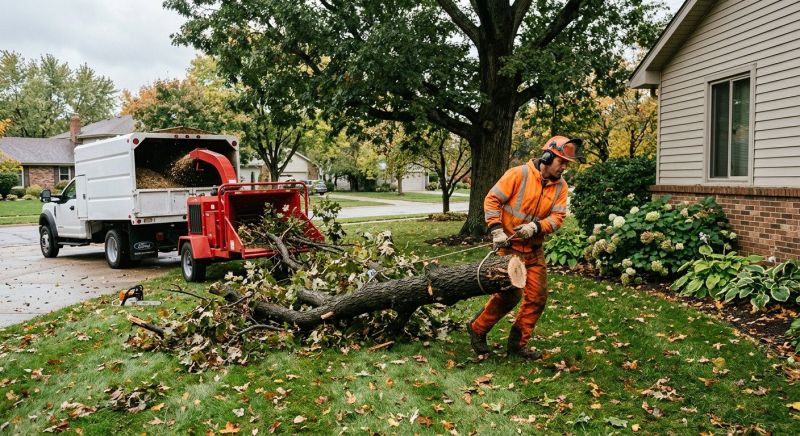
Yard Maintenance Support
Disposing of trimmed branches to keep outdoor spaces tidy and accessible.
Tree Branch Disposal in Honolulu, HI

Tree branch disposal services involve removing and properly disposing of excess or fallen branches from residential properties. This service is commonly requested after storm damage, pruning projects, or when overgrown trees create safety concerns or obstruct views. Property owners should consider the size and quantity of branches needing removal, as well as the location on the property, to determine the scope of the project. Understanding whether branches will be chipped, hauled away, or left for mulching can help in planning the disposal process effectively.
Homeowners typically want to know if the service includes cleanup and debris removal, as well as any restrictions on branch size or type. It is also helpful to clarify if the disposal process involves recycling or composting the branches. Knowing these details can ensure the project meets expectations and fits within property maintenance plans. Proper disposal of tree branches helps maintain a tidy landscape and reduces safety hazards caused by fallen or overhanging limbs.
Many property owners in Honolulu, HI look into Tree Branch Disposal for repairs, replacements, upgrades, and appearance-related improvements.
Common Tree Branch Disposal Jobs
Tree branch disposal - removal of fallen or cut branches from residential properties.
Storm cleanup - clearing branches after severe weather events to prevent hazards.
Pruning debris removal - disposing of trimmings from regular tree maintenance.
Yard cleanup - collecting and removing branches to improve landscape appearance.
Emergency branch removal - quick disposal of broken or dangerous branches.
Property clearing - comprehensive removal of branches to prepare for landscaping or construction.
Tree Branch Disposal Questions
What types of branches are accepted for disposal? Typically, yard debris such as tree branches, limbs, and shrub trimmings are accepted for disposal services.
Is there a size limit for branches? Branches usually need to be within a specified diameter and length, often around 4 inches in diameter and 6 feet long, but this can vary by service provider.
Can branches from storm damage be disposed of? Yes, storm-damaged branches are commonly accepted for disposal, helping to clear fallen or broken limbs from the property.
What should be done before scheduling disposal? Property owners should gather and bundle branches according to size requirements and remove any attached debris or leaves for easier handling.
Request Tree Branch Disposal in Honolulu, HI
Use the quote form on this page to share the basics of your project and request more information for the type of work you need.